
Blog
What Mobile Gaming Really Means for the UK


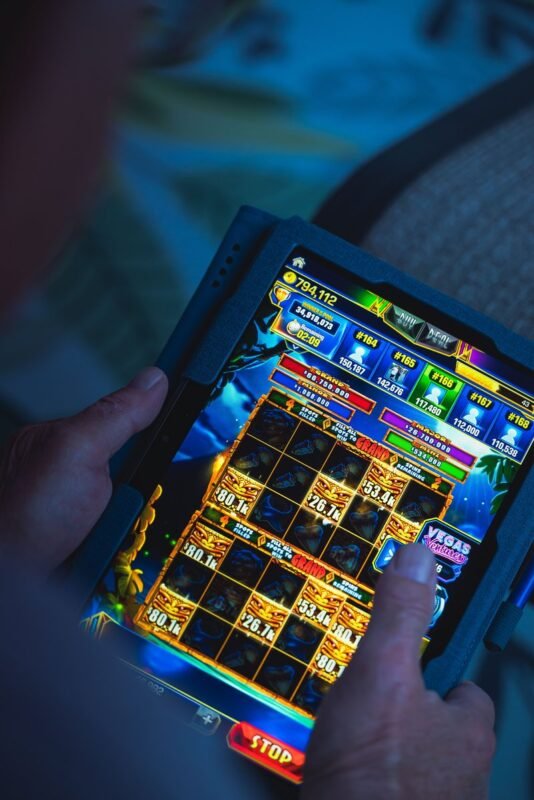
Mobile gaming is no longer a niche hobby. In the United Kingdom, the number of people who play games on a phone or tablet each day climbed from 12 million in 2018 to 16 million in 2023. That 33 % jump shows how the medium has become a mainstream form of entertainment, rivaling traditional TV and cinema in terms of daily engagement.
How the Numbers Translate into Cultural Shifts
When you look at the data, the biggest change is the way people schedule their leisure. A 2022 survey by the UK Games Association found that 58 % of respondents said they play mobile games during commute times that used to be spent listening to music or scrolling social media. That shift has forced broadcasters to rethink ad slots and has opened up new opportunities for brands to reach audiences in the pocket of commuters.
In addition, the rise of “social” mobile titles—games that let you chat, trade, or compete with friends—has created a new layer of community. For instance, a game like “Clash of Clans” has a UK player base that exceeds 1.2 million, and its in‑app chat feature is used by more than 30 % of those players to coordinate raids. That level of interaction mirrors the social gatherings that used to happen in pubs or gaming cafés.
Economic Impact Beyond the App Store
Revenue figures back up the cultural trend. In 2023, the UK mobile gaming market generated £4.1 billion in gross revenue, a 15 % increase over the previous year. Of that, 63 % came from micro‑transactions—small in‑app purchases such as skins, power‑ups, or extra lives. This model has proven especially lucrative for indie developers who can release a free-to‑play title and earn a steady stream of income from a small percentage of active users.
Job creation is another tangible effect. The UK Office for National Statistics reported that the mobile gaming sector employed 18,000 people in 2023, up from 13,500 in 2018. These roles range from game designers and programmers to data analysts and community managers.
Bridging Physical and Digital Entertainment
Mobile gaming has blurred the line between on‑screen and off‑screen activities. Many people now use their phones to order food while playing, or to control smart home devices during a game session. This integration is part of a larger trend where entertainment becomes a hub for daily life management, from streaming music to controlling lighting, all from a single device.
For those curious about how the digital shift extends into other areas of home life, electecelectrical.co.uk offers a range of smart solutions that can be controlled via a mobile app, making it easy to manage lighting, heating, and security from anywhere.
Challenges That Still Exist
Despite the growth, mobile gaming faces real hurdles. Data privacy remains a top concern: in 2023, 27 % of UK gamers expressed worry about how their personal data is used by game developers. Regulators have responded with stricter guidelines, but compliance costs can be steep for small studios.
Another limitation is device fragmentation. The UK market is split roughly 70 % Android and 30 % iOS. Developers must optimize for a wide range of screen sizes and performance levels, which can inflate development time by up to 25 % compared to a single platform launch.
What This Means for the Future of Entertainment
Mobile gaming is not just a passing trend; it is reshaping how UK audiences consume entertainment. The immediacy of on‑the‑go play, combined with social features and micro‑transaction revenue, has turned phones into portable theatres and social hubs. As developers continue to innovate—adding augmented reality layers, cross‑platform play, and more sophisticated monetization models—the mobile platform will likely absorb even more of the traditional entertainment market.
For anyone looking to tap into this evolving landscape, the key is to focus on user experience, data security, and cross‑device compatibility. Those who can deliver smooth, engaging gameplay while respecting privacy will be the ones to thrive as mobile gaming continues to redefine the UK’s entertainment scene.